
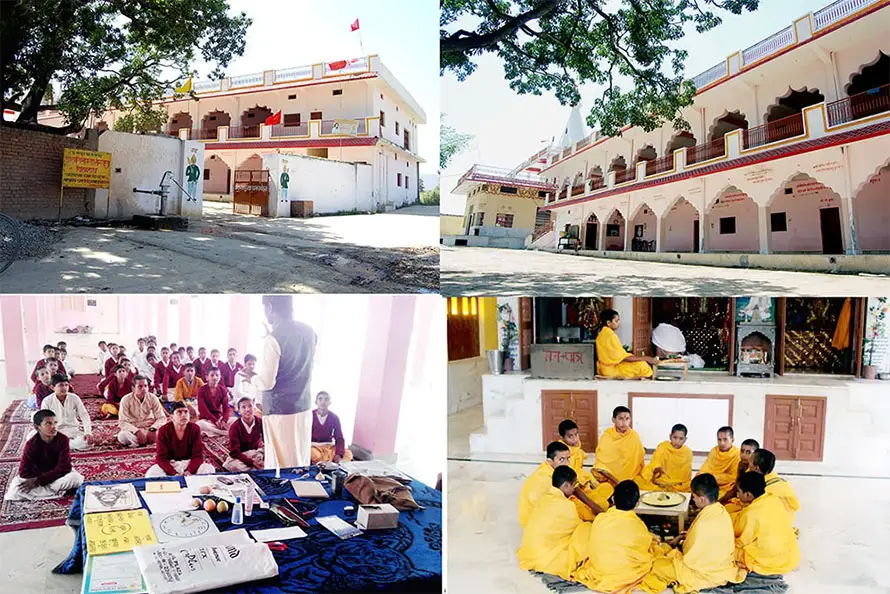
Preserving Knowledge, Culture and Values for Future Generations.
Vedic education can become a bridge between the wisdom of the past and the needs of the present.Vedic education refers to the traditional Indian system of learning that focuses on the holistic development of an individual. It is not limited to memorising religious texts or learning ancient scriptures. Its broader purpose is to develop knowledge, discipline, good character, respect for nature, self-control and a sense of duty.
India has a rich heritage of knowledge preserved through the Vedas, Upanishads, Puranas, Shastras and other ancient texts. These works contain philosophical ideas, moral teachings, discussions about society, nature, human behaviour and the search for knowledge and truth.
Introducing students to this heritage can help them understand where they come from and appreciate the cultural and intellectual traditions of India.
Education is not only about earning a degree or building a successful career. True education helps an individual develop knowledge, character, values and a sense of responsibility towards society.
In today's fast-changing world, students have access to modern technology, scientific knowledge and global opportunities. However, along with modern education, it is equally important for young generations to remain connected with their cultural roots and traditional wisdom.
Shri Lalitambha Gau Seva Trust's promotion of Vedic education is a meaningful step towards preserving India's ancient knowledge and passing it on to future generations.
Vedic education can help students understand the richness of Indian culture, the teachings of the Vedas, Puranas and Shastras, and the values that have guided society for generations.
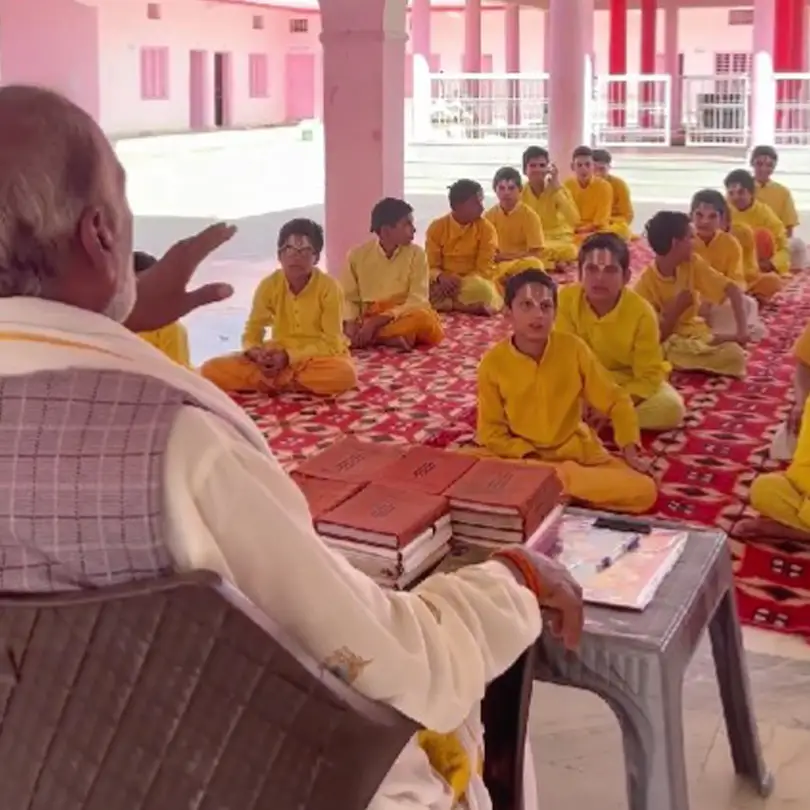
Every child should have the opportunity to learn about the history, culture and traditions of their country. In a world influenced by globalisation, social media and rapidly changing lifestyles, many young people may know about cultures from around the world but have limited knowledge about their own heritage.
Learning about Indian culture can give students a stronger sense of identity and belonging. When students understand the traditions, festivals, languages, literature and philosophies that have shaped Indian civilisation, they can develop greater respect for their roots.
Vedic education encourages students to ask important questions about life, society, nature and the responsible use of knowledge.
The Vedas are among India's most ancient bodies of literature and knowledge. The Puranas and Shastras have also played an important role in preserving stories, traditions, philosophies and cultural teachings across generations.
Students do not necessarily need to study every text in great detail. However, they should be introduced to their basic ideas and significance in an age-appropriate and meaningful manner.
The purpose of such education should not be limited to memorising verses or facts. Students should be encouraged to understand the meaning behind the teachings and discuss how positive values can be applied in their everyday lives.
One of the greatest benefits of value-based education is character development. Academic success is important, but knowledge without empathy, discipline and responsibility cannot create a truly balanced society.
Vedic traditions place importance on values such as truth, compassion, discipline, respect, gratitude and self-control. These values can help students become responsible individuals.
In today's competitive environment, students often face pressure related to examinations, careers and social expectations.
Value-based learning can provide them with a stronger moral foundation and encourage them to make thoughtful decisions.
Indian traditions have long emphasised the relationship between human beings and nature. Rivers, trees, animals and the environment have been respected as important parts of life.
Shri Lalitambha Gau Seva Trust, through its commitment to cow welfare and service, can play an important role in connecting young people with the values of compassion and responsible care.
Vedic education can help students understand the importance of Seva or selfless service. When children participate in activities that involve caring for animals, helping people in need, respecting nature and contributing to society, education becomes more meaningful.
Teaching compassion towards animals can also help students become more sensitive and responsible citizens. Service teaches them that even a small act of kindness can make a difference.
The learning process should be interesting and interactive. Instead of making students feel that traditional knowledge is separate from modern life, educators can help them discover its relevance.
At Shri Lalitambha Gau Seva Trust, service can go beyond the immediate act of helping and caring. By encouraging awareness of Vedic education and Indian cultural values, the Trust can contribute to the development of future generations.
The vision is not simply to teach students about the past. It is to help them carry positive values into the future.
Students who understand compassion can become more caring citizens. Students who respect nature can become more environmentally responsible. Students who understand their cultural heritage can develop confidence in their identity while respecting the diversity of the world.
SHREE LALITAMBA GAU SEVA TRUST, H NO 41 NEAR ASHRAM SUKHBIR NAGAR, VILL KARALA, DELHI, 110081
info@shrilalitambagautirth.org




Name - SHREE LALITAMBA GAU SEVA TRUST
A/C No. - 4908002100002637
IFSC Code - PUNB0099610
Branch Name- Sector-11, Rohini, Delhi-85
Bank Name - PUNJAB NATIONAL BANK

Design & Developed by Sakshem IT Solution Pvt. Ltd.